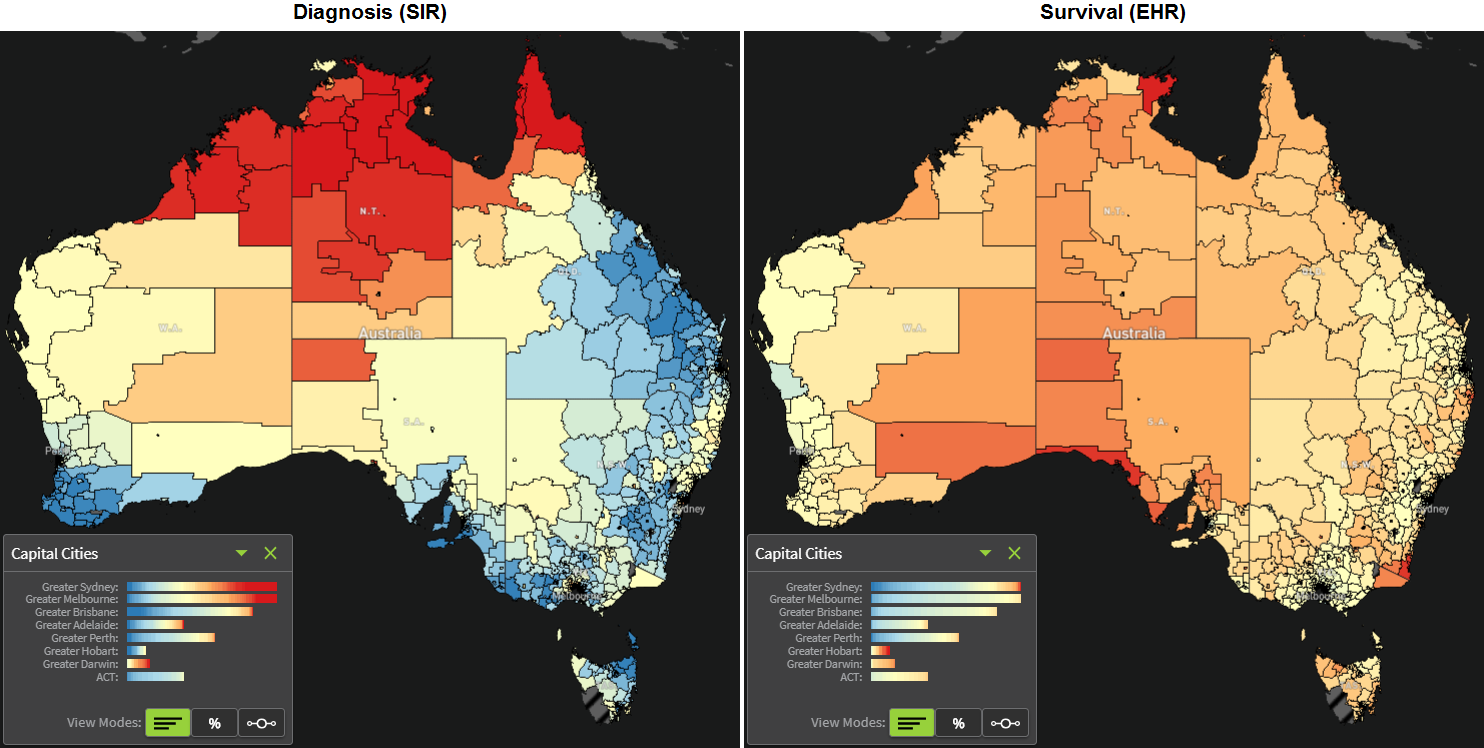
Detailed Report
on All Types of Cancer Screening and the Skin Cancer Epidemic in Australia
Introduction
Cancer represents one of the leading causes of morbidity and mortality worldwide, with screening
strategies playing a crucial role in early detection and improved prognoses. This report first
examines the primary recommended screenings for various types of cancer, based on recognized
international and national guidelines. It then focuses on the skin cancer epidemic in Australia, a
country with the highest incidence rates globally for this pathology, due to specific environmental
and demographic factors. The presented data draws from reliable and recent sources, including
estimates up to 2025, considering the current date of March 14, 2026.
Recommended Screenings for Different Types of Cancer
Cancer screening programs aim to identify precancerous lesions or cancers at an early stage in
asymptomatic individuals to enhance the chances of successful treatment. Recommendations vary based
on age, sex, risk factors, and available resources in healthcare systems. Below is an overview of
the main screenings, structured by cancer type, based on guidelines from the World Health
Organization (WHO), the American Cancer Society (ACS), the Centers for Disease Control and
Prevention (CDC), and other institutions such as the National Cancer Institute (NCI).
Breast Cancer
- Screening Method: Mammography, which uses low-dose X-rays to create images of
the breasts.
- Recommendations: The WHO recommends mammography for women aged 50 to 69 in
settings where
healthcare systems are strong or relatively strong. The ACS suggests annual or biennial
screening
starting at age 45 for women at average risk, continuing until age 75 or beyond if life
expectancy
exceeds 10 years. Clinical breast exams and self-examination may supplement but do not replace
mammography.
- Benefits: Reduction in mortality by 20-30% among regularly screened women.
Cervical Cancer
- Screening Method: HPV test (DNA or mRNA), preferred by the WHO, or Pap test
(cervical smear)
combined with HPV testing.
- Recommendations: Screening every 5-10 years for women aged 30 to 65, according
to WHO guidelines.
The CDC recommends starting at age 21 with a Pap test, then co-testing (Pap + HPV) from age 30.
- Benefits: Detection of precancerous lesions linked to human papillomavirus
(HPV), with proven
efficacy in reducing incidence and mortality.
Colorectal Cancer
- Screening Method: Colonoscopy, fecal occult blood test (FOBT or FIT), flexible
sigmoidoscopy, or
virtual computed tomography.
- Recommendations: The NCI and ACS advocate screening starting at ages 45-50 for
adults at average
risk, with colonoscopy every 10 years or annual FIT testing. For high-risk individuals (family
history), screening may begin earlier.
- Benefits: Reduction in incidence by 30-50% through removal of precancerous
polyps.
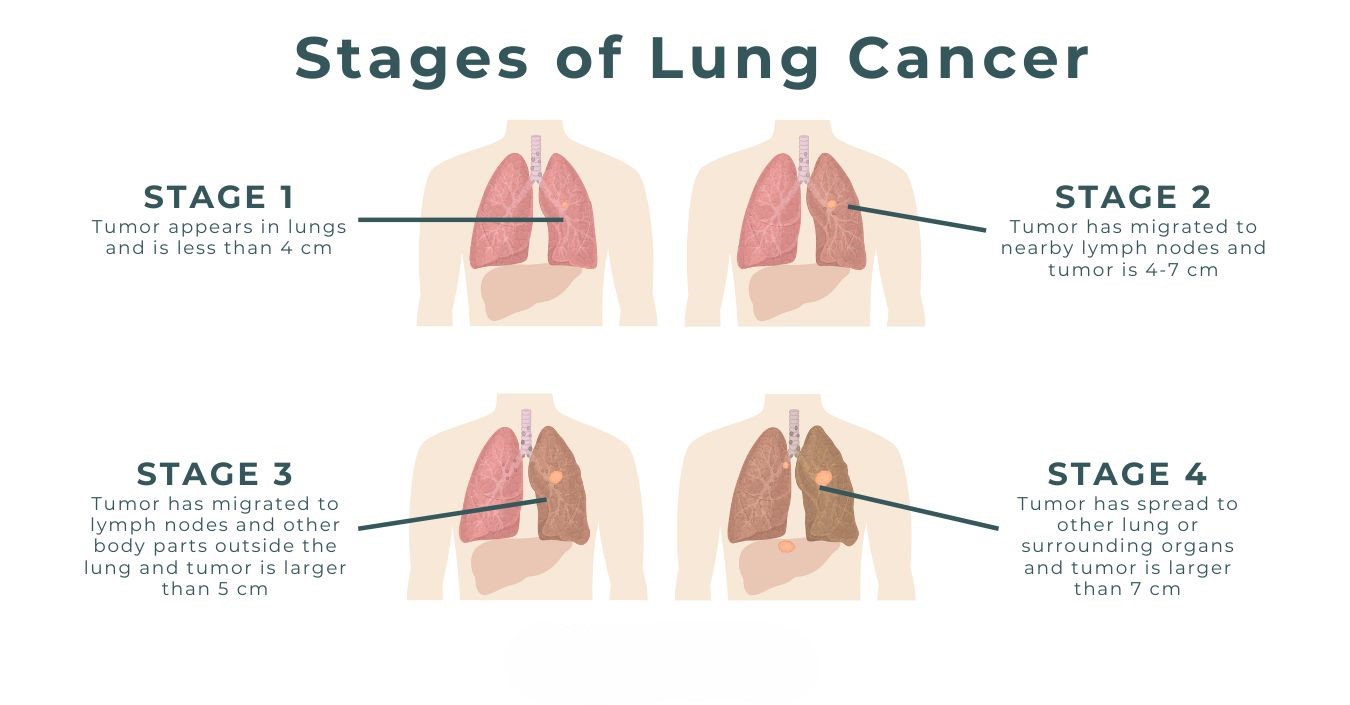
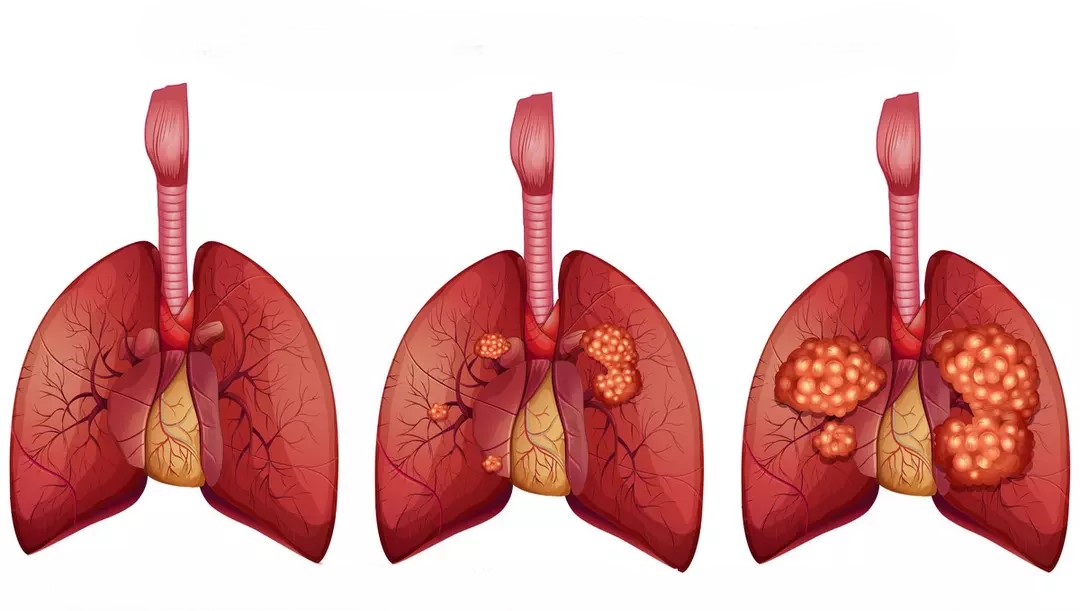
Lung Cancer
- Screening Method: Low-dose computed tomography (LDCT).
- Recommendations: Recommended by the CDC and ACS for current or former smokers
(aged 50-80 with a
20 pack-year history and having quit within the last 15 years).
- Benefits: Reduction in mortality by 20% in high-risk populations.
Prostate Cancer
- Screening Method: Prostate-specific antigen (PSA) blood test, often combined
with digital rectal
examination.
- Recommendations: The ACS suggests informed discussion starting at age 50 (45
for high-risk men,
such as African Americans or those with family history). This screening is controversial due to
the
risk of overdiagnosis.
- Benefits: Early detection, though benefits in mortality remain debated.
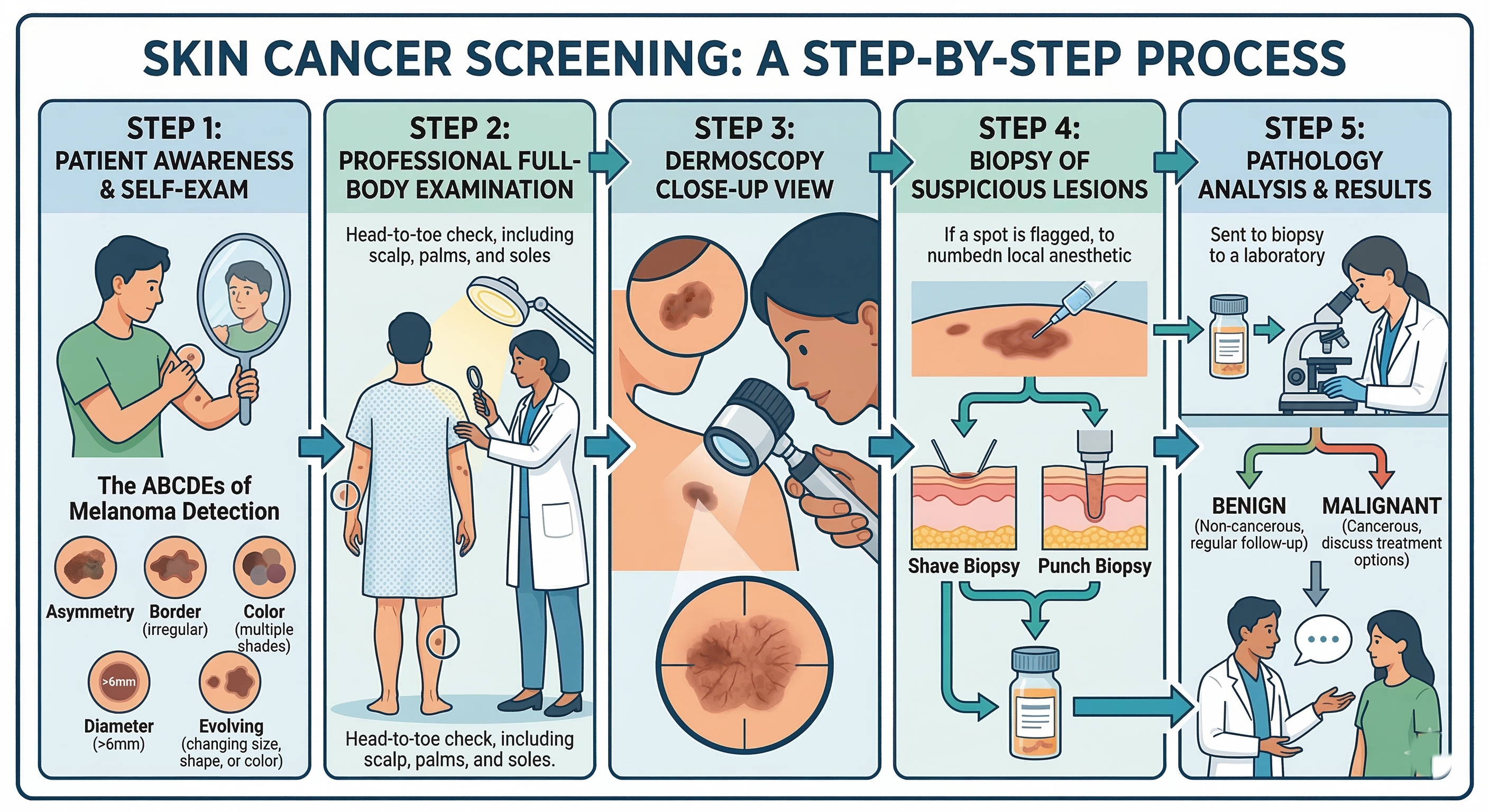
Skin Cancer
- Screening Method: Visual skin examination by a healthcare professional,
including dermoscopy to
evaluate suspicious lesions.
- Recommendations: No systematic screening for the general population according
to the ACS, but
regular exams for high-risk individuals (personal or family history, fair skin, intense UV
exposure). In Australia, national campaigns encourage self-exams and annual consultations.
- Benefits: Early detection of melanomas, reducing mortality.
Other Types of Cancer
- Ovarian, Pancreatic, Liver Cancer: No systematic screening recommended due to
lack of proven
effectiveness of available tests (e.g., CA-125 for ovarian or AFP for liver).
- Oral or Throat Cancer: Oral examination during dental visits for smokers or
alcohol consumers.
- Thyroid or Testicular Cancer: Self-examination or clinical exam, but not
systematic.
Screenings must be tailored to individual risk factors and local guidelines. Organizations such as
the Cleveland Clinic and the Rutgers Cancer Institute emphasize the importance of personalized
screening.
The Skin Cancer Epidemic in Australia
Australia faces a skin cancer epidemic, with the highest incidence rates worldwide, attributed to
intense ultraviolet (UV) exposure, a depleted ozone layer over the continent, a predominantly
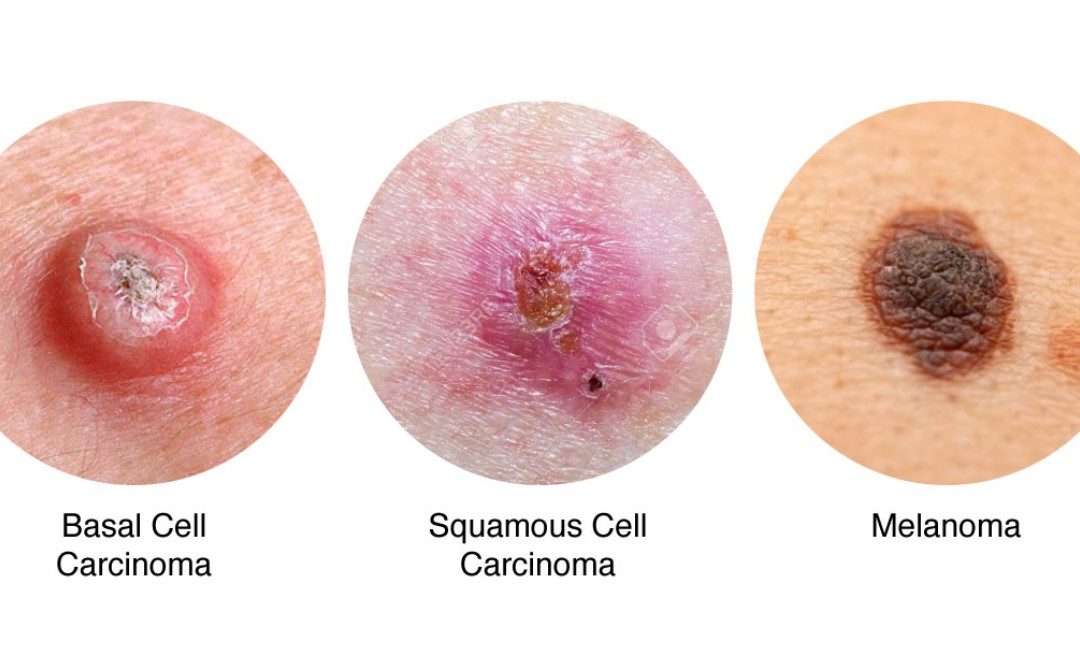
fair-skinned population, and an outdoor lifestyle. Skin cancer is divided into two main categories:
melanomas (more lethal) and non-melanoma skin cancers (NMSC, including basal cell and squamous cell
carcinomas, less deadly but more common).
Key Statistics
- Incidence: In 2025, an estimated 17,443 new melanoma cases in Australia (10,187
in men and 7,256
in women), representing about 10% of all new cancer cases. Age-adjusted melanoma incidence rates
increased from 53 to 70 cases per 100,000 inhabitants between 2000 and 2024. For NMSC, more than
two
out of three Australians will be diagnosed in their lifetime, with over one million treatments
recorded in 2023.
- Mortality: In 2025, 1,455 deaths are expected from melanoma (990 men and 465
women). Approximately
2,000 annual deaths are attributed to skin cancer overall, with a recent increase in NMSC deaths
(nearly doubled in recent years). By 2030, without further intervention, over 205,000 diagnoses
and
14,000 deaths are projected.
- Trends: While rates among children are declining (47% reduction in moles,
indicating lower future
risk), overall incidence has increased by 50% over recent decades, with a projected 10.6% rise
between 2025 and 2026. Melanoma is the third most diagnosed cancer (excluding NMSC) and
increasingly
affects younger people (7.9% of cases under 40).
Causes and Risk Factors
Primary factors include UV exposure (responsible for 95% of cases), repeated sunburns, fair skin,
family history, and occupational exposures (about 200 melanomas and 34,000 other skin cancers
annually due to work). Australia records a melanoma incidence rate 8.7 times higher than the global
average.
Prevention and Screening
- Prevention: Campaigns like SunSmart promote sunscreen use, protective clothing,
hats, and shade,
with high return on investment. An 11.7% reduction in UV exposure among children could quadruple
the
lifetime risk decrease.
- Screening: Annual skin exams recommended, particularly for at-risk groups. A
national targeted
program is in development to improve early detection, potentially saving 4,000 lives by 2030.
The
5-year survival rate for melanoma exceeds 90% if detected early.
Economic and Societal Impacts
The projected cost of melanoma by 2030 exceeds 8.7 billion Australian dollars, including economic
losses, healthcare costs, and personal expenses. Investments in research and education are essential
to reverse this trend.
Conclusion
Cancer screenings, tailored to types and risks, form a pillar in the fight against this disease. In
Australia, the skin cancer epidemic underscores the urgency of enhanced prevention and systematic
screening. Concerted actions, including public campaigns and research advancements, could
significantly reduce the impact of this pathology. For personalized advice, consulting a healthcare
professional is recommended.
Ovarian Cancer Screening
Ovarian cancer is a serious pathology primarily affecting postmenopausal women, with a global
incidence estimated at approximately 300,000 new cases per year. Screening aims to detect the
disease at an early stage in asymptomatic individuals to improve survival chances. However,
international and national guidelines highlight the current limitations of available methods. This
report provides an overview of current recommendations, existing tests, and considerations for
at-risk populations, based on reliable sources such as the United States Preventive Services Task
Force (USPSTF), the Centers for Disease Control and Prevention (CDC), and the American Cancer
Society (ACS).
General Recommendations
For asymptomatic women at average risk (i.e., without specific family or genetic history), no
systematic screening is recommended. The USPSTF issues a grade D recommendation against routine
screening, indicating that the harms outweigh the potential benefits. Similarly, the CDC and ACS
confirm that no reliable screening tests exist for women without symptoms, and the Pap test
(cervical smear) does not detect ovarian cancer. Studies, such as those conducted by the National
Cancer Institute (NCI), show that screening does not improve overall survival and may lead to false
positives resulting in unnecessary surgical interventions.
The primary reasons for these recommendations include:
- Lack of Proven Effectiveness: Current tests do not significantly reduce ovarian
cancer mortality.
- Associated Risks: Frequent false positives (up to 10-20% of cases), leading to
unnecessary
biopsies or surgeries, with potential complications such as infections or loss of fertility.
- Absence of Consensus on an Ideal Test: No test is simultaneously sensitive,
specific, minimally
invasive, and affordable for population use.
Existing Screening Tests
Although not recommended for systematic screening, certain tests are used in specific contexts, such
as in high-risk women or in the presence of symptoms. The main ones include:
- CA-125 Assay: This blood test measures the level of CA-125 antigen, a protein
often elevated in
ovarian cancer. It lacks specificity, as elevated levels can be due to other benign conditions
(endometriosis, fibroids, infections). It is sometimes combined with other tests but is not
recommended alone for screening.
- Transvaginal Ultrasound (TVUS): This imaging uses a vaginal probe to visualize
the ovaries and
detect abnormal masses. It is more sensitive for advanced lesions but generates many false
positives. It is often associated with CA-125 in protocols for high-risk women.
- Pelvic Examination: A manual clinical examination by a healthcare professional,
sometimes
including a rectovaginal exam. It is recommended annually for healthy women but does not detect
early cancers and is not considered an effective screening tool alone.
Other approaches, such as genetic testing for BRCA1/BRCA2 mutations or biomarkers, are reserved for
risk assessment rather than direct screening.
Considerations for High-Risk Women
Women at elevated risk—for example, carriers of genetic mutations (BRCA1, BRCA2, Lynch syndromes) or
with multiple family histories—may benefit from increased surveillance. In these cases:
- Screening may begin as early as ages 30-35, with CA-125 and TVUS tests every 6-12 months,
according to guidelines from the MD Anderson Cancer Center or the National Comprehensive Cancer
Network (NCCN).
- However, preventive surgery (bilateral risk-reducing salpingo-oophorectomy) is often preferred
once childbearing is complete, as it drastically reduces risk (up to 90-95%).
- Psychological evaluations to manage screening-related anxiety are recommended.
Clinical trials are exploring new tools, such as multimarker tests or AI algorithms to improve
detection, but none are validated for routine use.
Prevention and Vigilance
In the absence of effective screening, emphasis is placed on prevention and early recognition of
symptoms (persistent pelvic pain, bloating, digestive issues). Modifiable risk factors include
obesity, smoking, and lack of oral contraception (which reduces risk). Genetic testing is advised
for women with family histories.
In conclusion, ovarian cancer screening remains limited due to its lack of impact on mortality and
associated risks. Women are encouraged to consult a healthcare professional for personalized
evaluation, particularly in the presence of symptoms or risk factors. Ongoing research may lead to
future advancements.