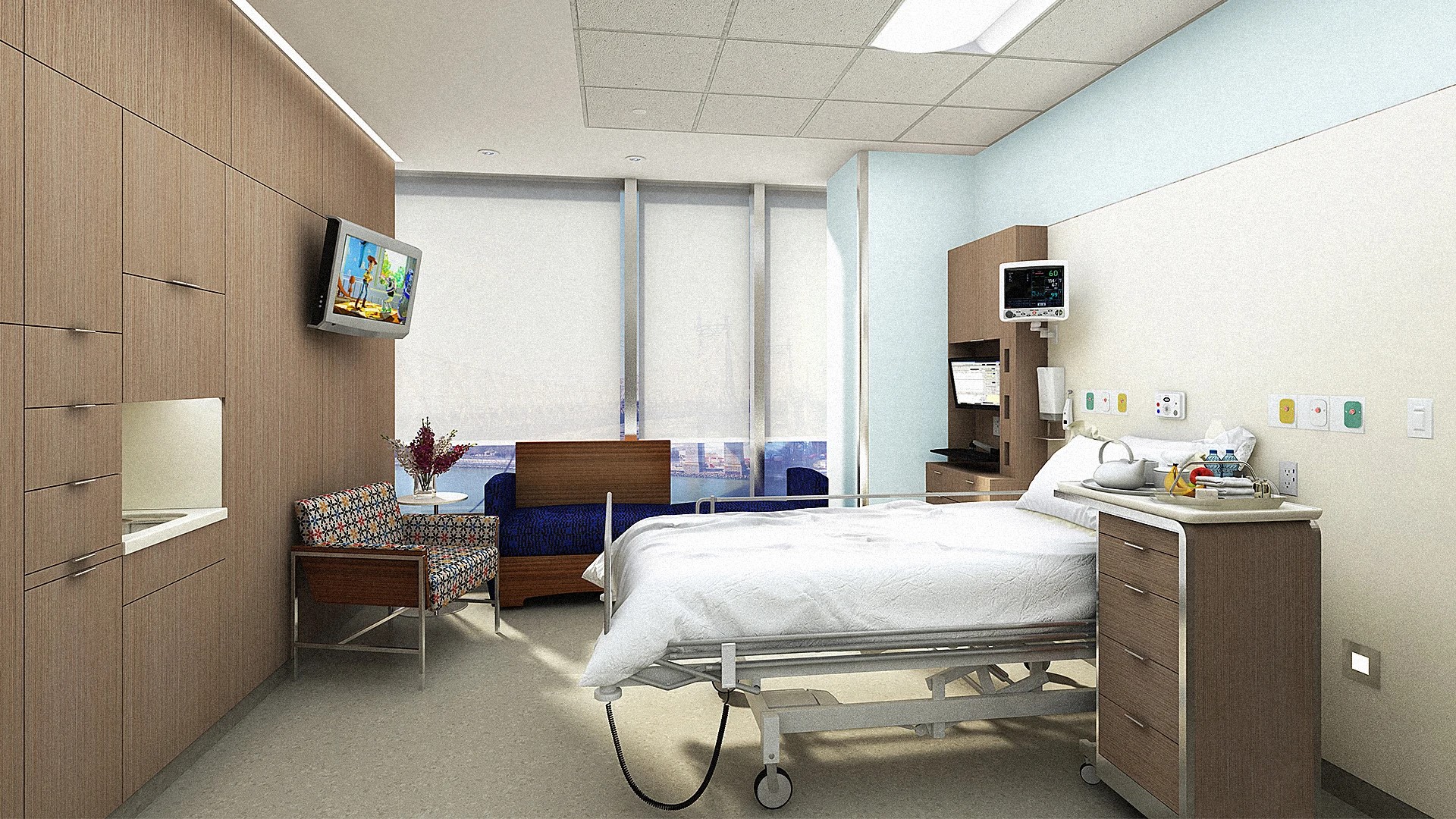
Detailed Report on the Project of a Future Hospital Specialized in Cancer Research in the Polish Capital, Warsaw
Project Title: Warsaw Center of Excellence in Oncology and Research (CEOR) – A Leading European Hub for the Fight Against Cancer
Executive Summary
The Warsaw Center of Excellence in Oncology and Research (CEOR) is a visionary project to create an ultra-modern hospital dedicated to cancer research, diagnosis, and treatment in Poland’s capital. This new facility, complementary to the existing National Institute of Oncology Maria Skłodowska-Curie (NIO), addresses the projected rise in cancer cases in Poland (approximately 209,000 new cases in 2022, with a 19% increase expected by 2040 according to ECIS).
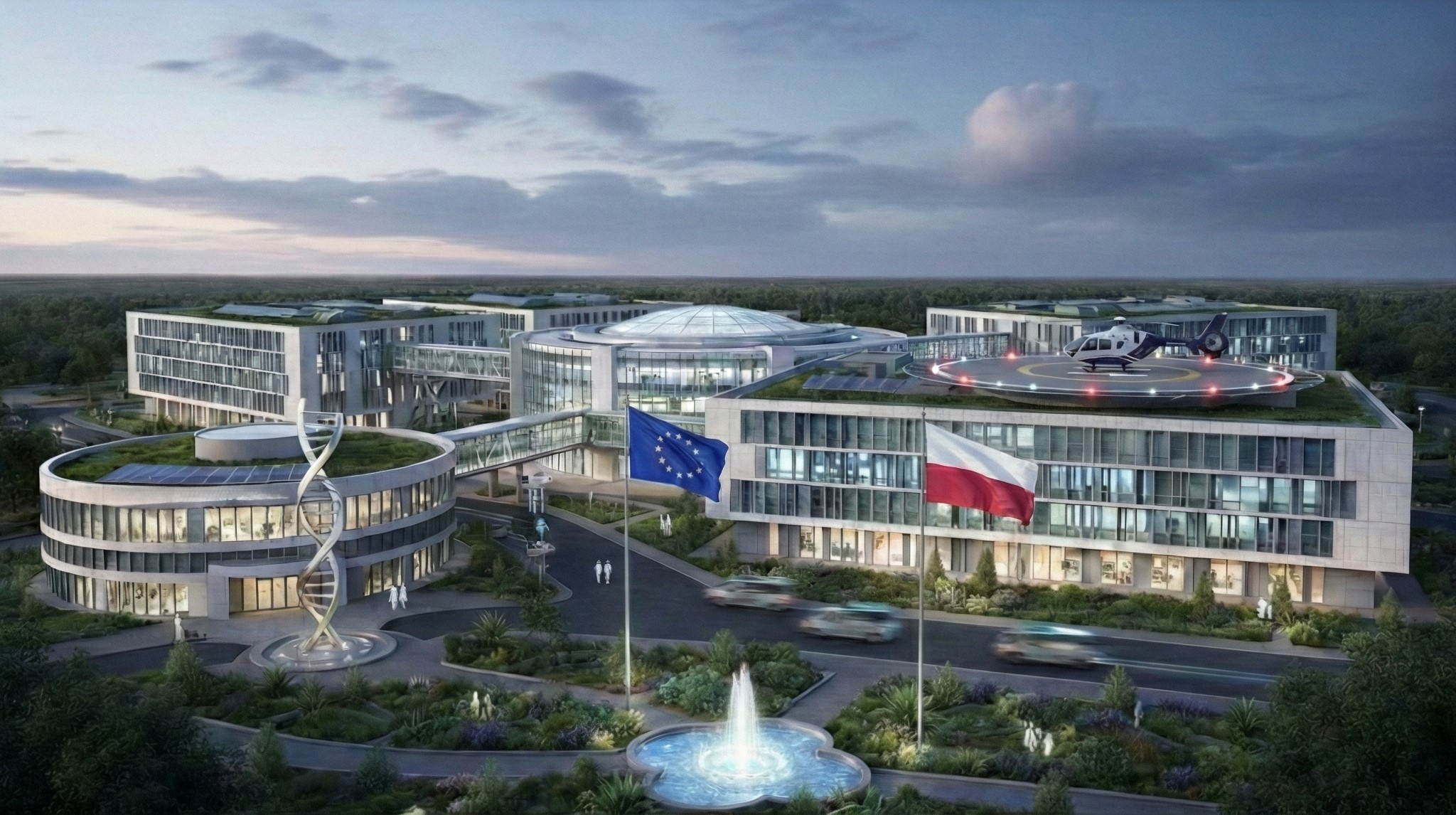
With a capacity of 450 beds, it will integrate cutting-edge technologies (proton therapy, artificial intelligence, personalized medicine) and a patient-centered design inspired by the world’s best centers such as MD Anderson or Memorial Sloan Kettering.
Estimated Investment: €1.2 billion. Timeline: Construction start in 2028, opening in 2033. Expected Impact: 15–20% reduction in national cancer mortality, creation of 2,500 jobs, and positioning Warsaw as a European oncology hub.
This project aligns with the National Oncology Strategy (NSO) 2020–2030 and the National Cancer Network (KSO), with mixed funding (Polish State, EU funds, private partnerships).
1. Context and Justification
1.1. Cancer in Poland: A Major Challenge
- 2022 Statistics (Globocan / ECIS): 208,900 new cases (262.8 per 100,000 inhabitants), 119,992 deaths. Most common cancers: lung (14.5%), colorectal (12.9%), breast (11.7%).
- Trends: Mortality higher than the EU average, but declining among men. Rapid increase expected by 2040 (+19% in cases).
- Socio-economic Costs: $3.1 billion in indirect costs (absences, years of life lost) between 2021–2023.
Poland is investing heavily: modernization of 102 oncology hospitals and creation of the KSO for coordinated care.
1.2. Current Situation in Warsaw
- NIO (Maria Skłodowska-Curie Institute): Main center (726 beds, 436 doctors), leader in research and treatment. Ongoing projects: revitalization and new building in Ursynów.
- Gaps: Saturated capacity, need for translational research (from lab to bedside) and advanced technologies like proton therapy (currently only available in Kraków).
- Warsaw’s Strengths: Medical University of Warsaw, proximity to European institutions, and the Warsaw Health Innovation Hub (WHIH) for innovation.
The CEOR will fill these gaps by becoming an independent research center while collaborating closely with the NIO.
2. Project Description
2.1. Location
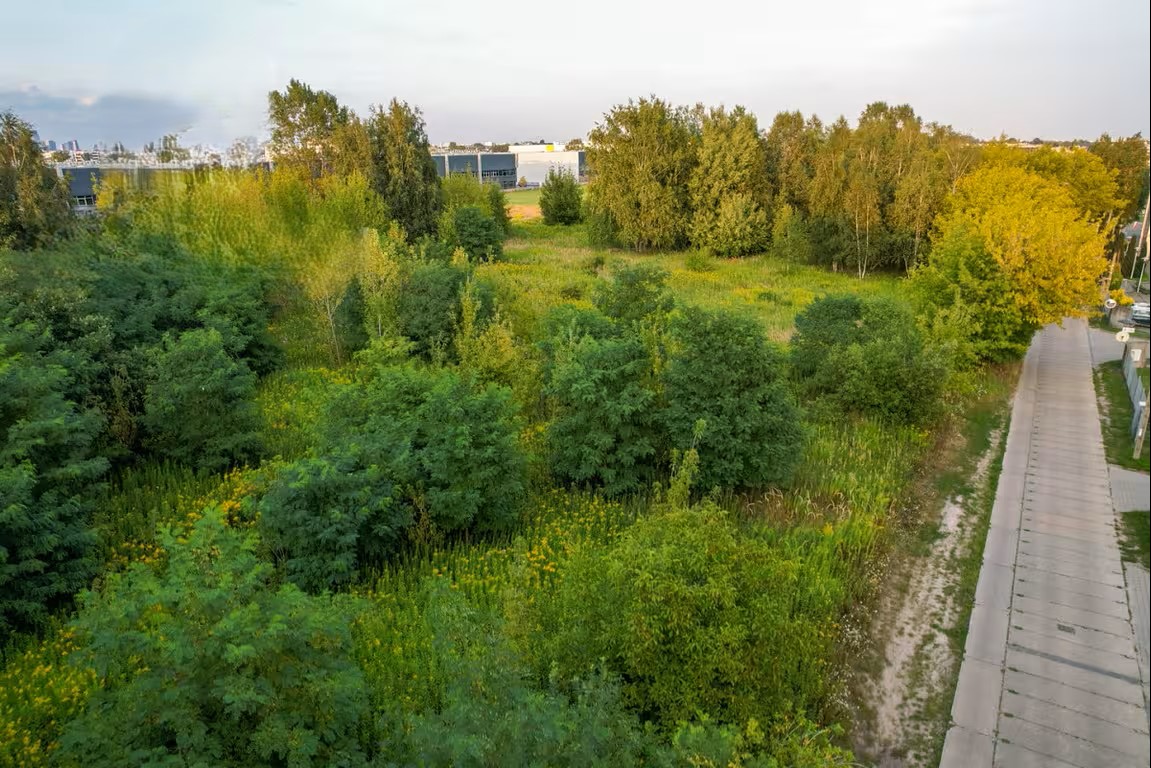
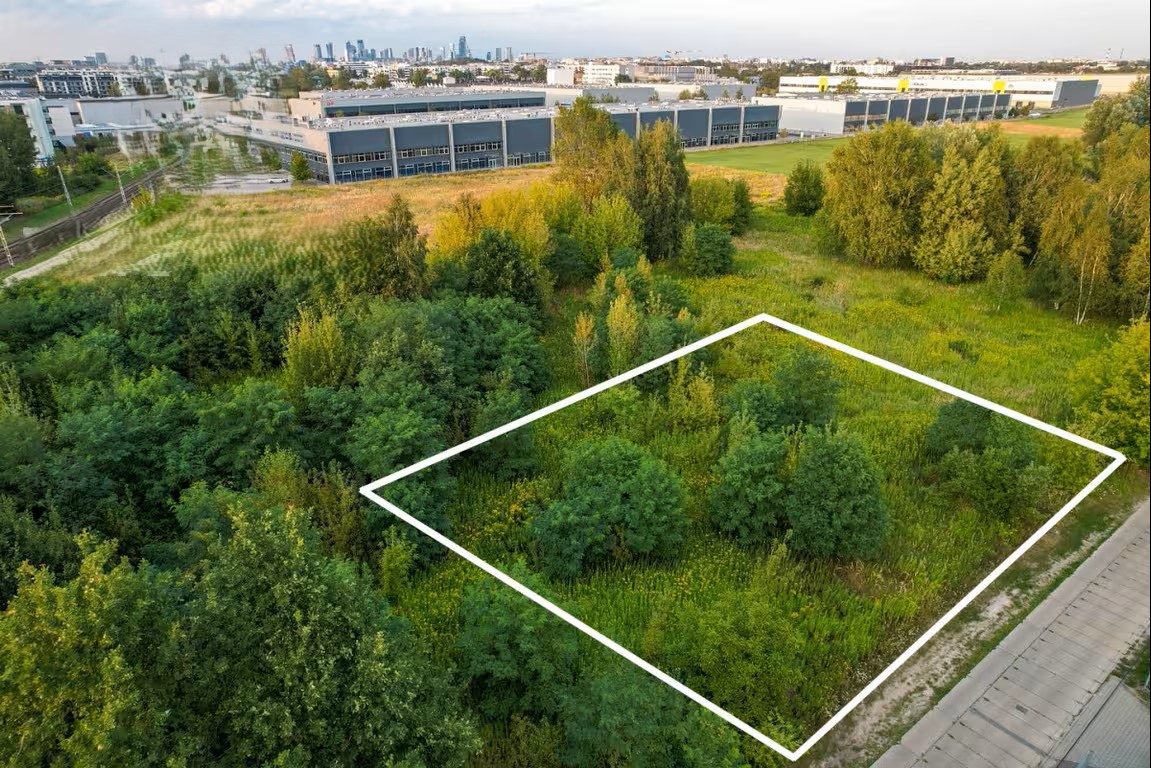
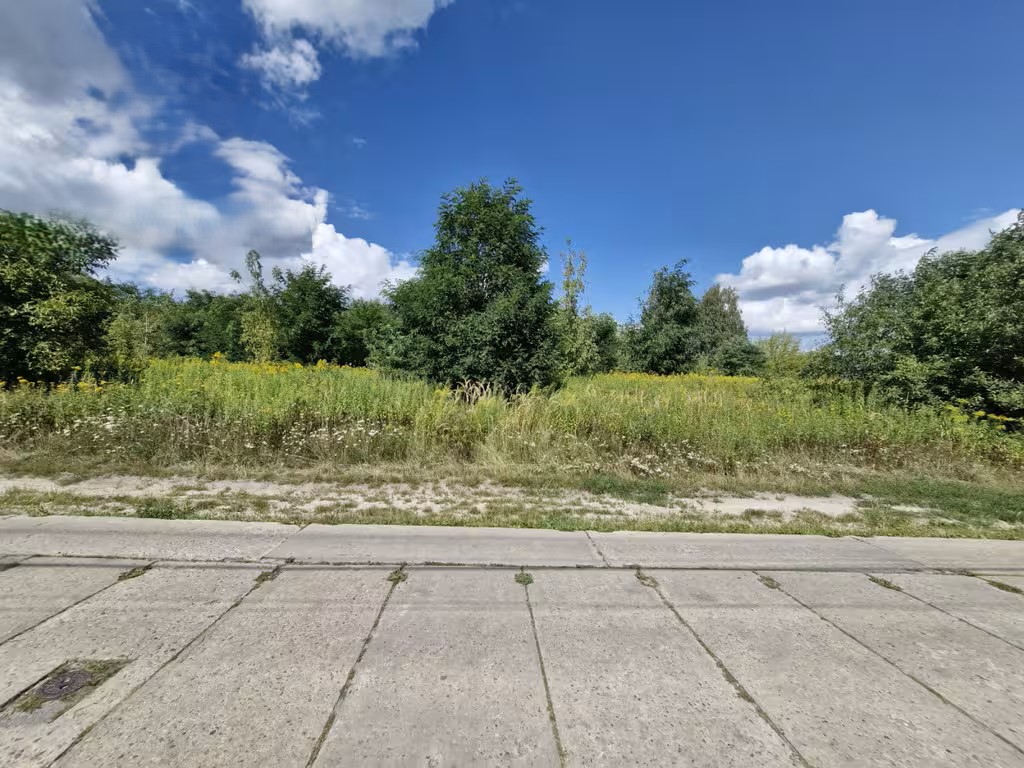
- Proposed Site: Wilanów district or extension of the Medical University of Warsaw campus (south of the city). 15-hectare plot, accessible by metro and highways, near green spaces for a calming environment.
- Urban Integration: “Medical campus” design with direct links to the NIO and academic research.
2.2. Capacities and Infrastructure
- Beds: 450 (including 150 in intensive care and clinical research).
- Clinical Services:
- Medical, surgical, and radiological oncology.
- Specialized centers: breast, lung, colorectal, pediatric.
- Proton therapy and precision radiotherapy.
- Research: 20,000 m² of laboratories (genomics, immunotherapy, AI applied to cancer).
- Training: Lecture halls, simulators, and partnerships with the Medical University.
Total Surface Area: 120,000 m² (buildings + green spaces).
3. Strategic Objectives
- Therapeutic Innovation: Accelerate clinical trials (targeting 200 studies/year) and precision medicine via AI.
- Holistic Patient Care: “Patient-centered” model with psychological support, nutrition, and art therapy.
- International Collaboration: Partnerships with ESMO, NCI (USA), and EORTC.
- Sustainability: BREEAM Excellent certification, 100% renewable energy.
- Accessibility: 30% of places reserved for patients from Eastern Europe via the KSO.
4. Technological and Architectural Innovations
4.1. Cutting-Edge Technologies
- AI and Big Data: Predictive platform for early diagnosis and personalized treatment plans.
- Proton Therapy: 2 accelerators for precise treatments (fewer side effects).
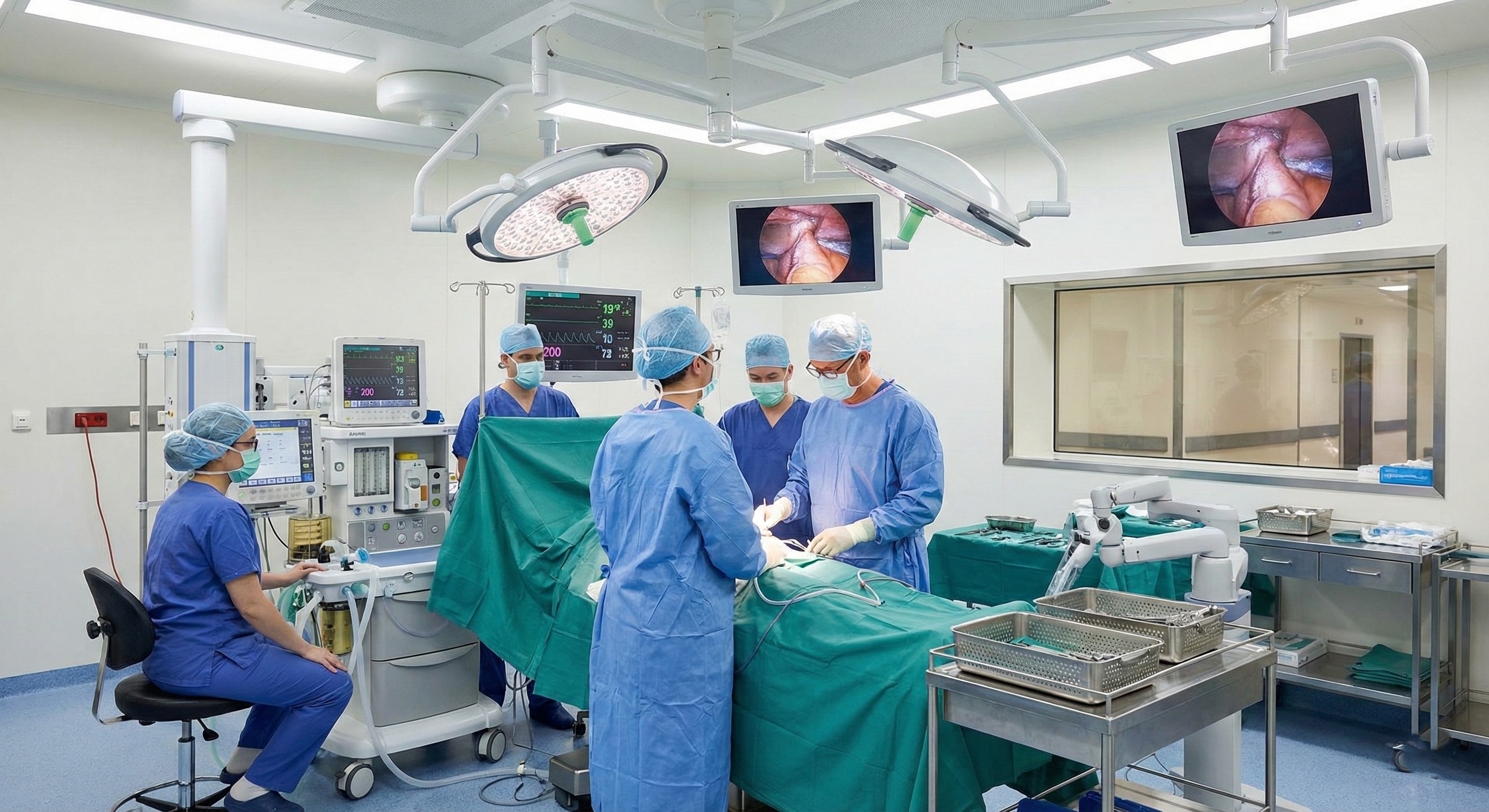
- Robotics: Assisted surgery (Da Vinci) and interventional radiology.
- Telemedicine: Remote monitoring for 50,000 patients/year.
4.2. Patient-Centered Design
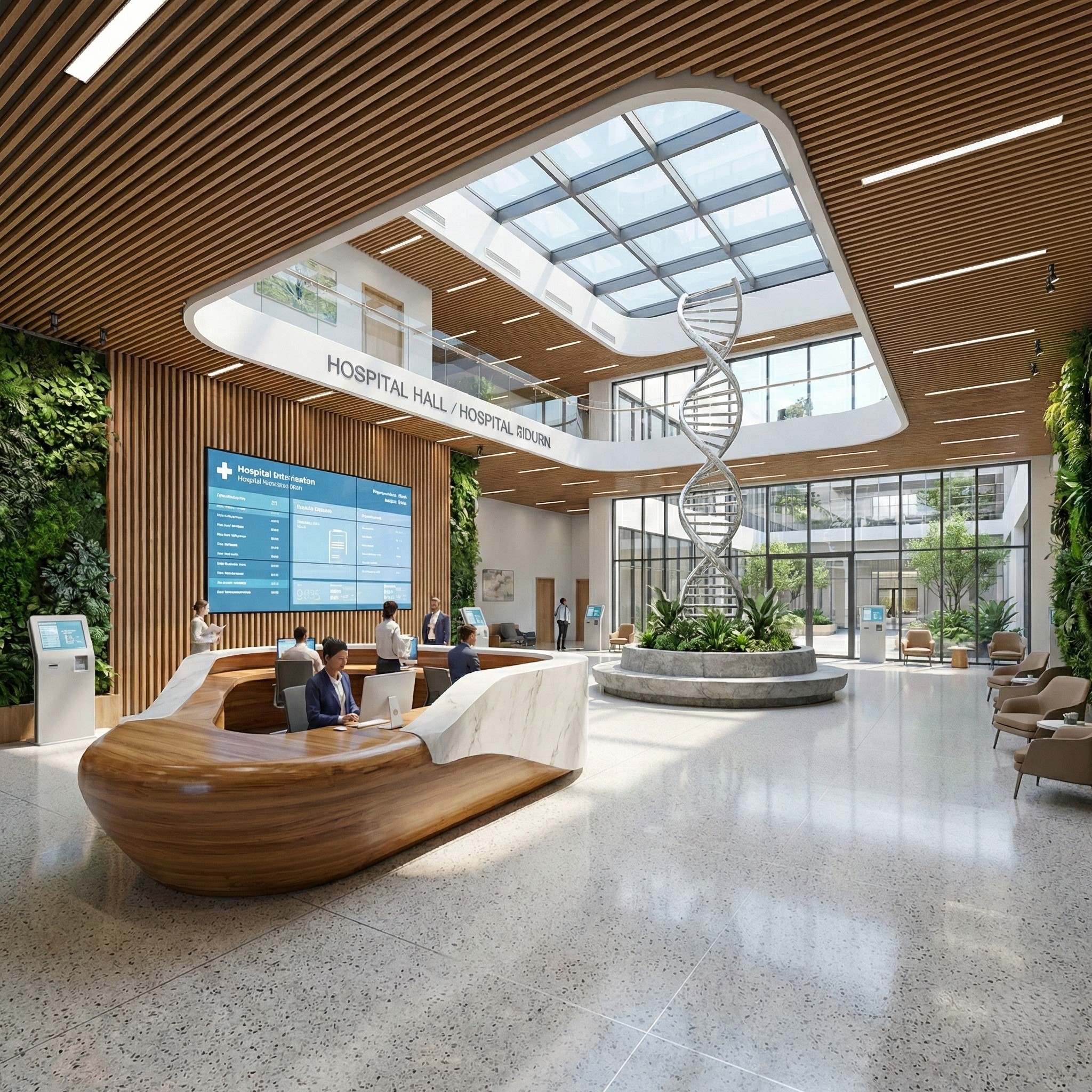
- Healing Environment: Bright atriums, therapeutic gardens, integrated art.
- Optimized Flows: Separation of research and care for efficiency.
- Inspiring Examples: Similar to the Dyson Cancer Centre (UK) or Fred Hutch Cancer Center (USA).
5. Sustainable and Environmental Aspects
- Renewable Energy: Solar panels, geothermal.
- Waste Management: Zero-waste in chemotherapy (secure recycling).
- Biodiversity: 40% of the site in green spaces, vegetated roofs.
- Carbon Objective: Neutral by 2035.
6. Implementation Plan
| Phase | Period | Main Activities | Responsible Parties |
|---|---|---|---|
| Preparation | 2026–2027 | Feasibility studies, tenders, design | Ministry of Health, City of Warsaw |
| Construction | 2028–2032 | Works (BIM 5D for precision) | Consortium (e.g., Strabag + Polish architects) |
| Equipment & Tests | 2032–2033 | Tech installation, staff training | NIO + international partners |
| Opening | 2033 | Inauguration, first patients | Polish Government |
Detailed Budget (estimation in millions of euros):
- Construction: 650
- Medical Equipment: 350
- Research & IT: 120
- Training & Initial Operations: 80
- Total: 1,200
Funding:
- 40% Polish State (NSO + health budget).
- 30% EU Funds (NextGenerationEU, REACT-EU).
- 20% Private Partnerships/Philanthropy.
- 10% Loans (EIB, Polish banks).
7. Expected Impact
- Health: +25% 5-year survival for treated cancers; 10,000 patients/year.
- Economic: 2,500 direct jobs; attractiveness for medical tourism (patients from Ukraine, Belarus).
- Scientific: 500 publications/year; patents in AI-oncology.
- Societal: Reduction of regional inequalities via the KSO; model for Central Europe.
8. Risks and Mitigation Measures
- Risks: Budget delays, shortage of specialized staff.
- Solutions: Academic partnerships (continuous training); strict contractual clauses.
Conclusion
The Warsaw CEOR will not just be a hospital: it will be the symbol of Polish resilience against cancer, a beacon of innovation in Eastern Europe. Building on the legacy of Marie Curie and the advances of the 21st century, this project will transform Warsaw into the European capital of oncology by 2035.
Immediate Recommendations:
- Launch an international architectural competition in 2026.
- Create a steering committee including patients and experts.
.jpg)
.jpg)
.jpg)